

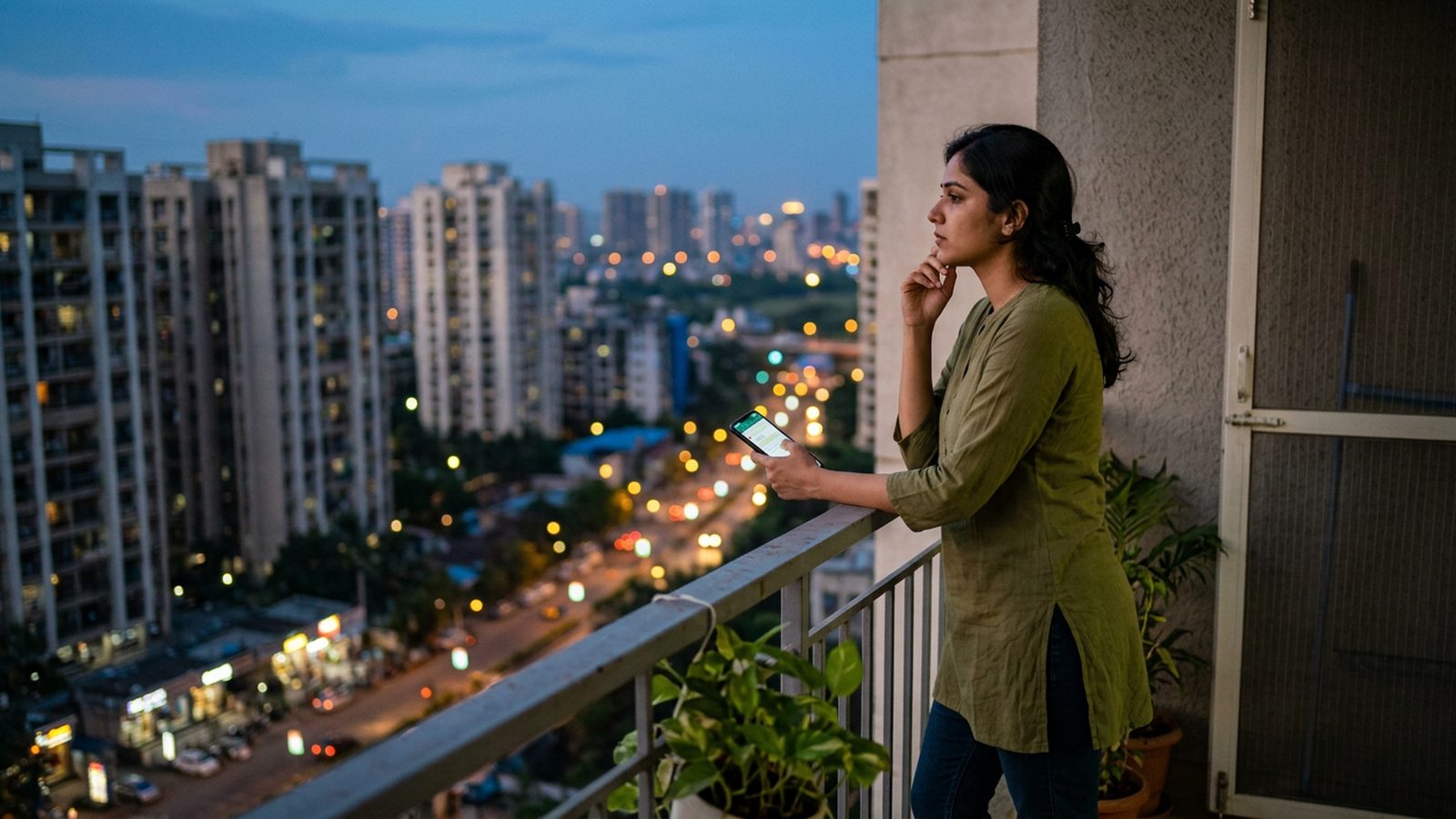
What "pulling away" actually looks like
Pulling away shows up as a pattern, not one bad day: shorter replies, slower response times, less initiating of plans, less sharing of small daily things, physical or emotional distance even when you are together. It is different from feeling ignored by a partner, which is often about a single ongoing gap in attention. Pulling away is usually a shift, something that used to be present and has recently reduced, which is why it tends to feel confusing rather than simply frustrating. It is also different from a relationship where the two of you are still talking but keep circling the same unresolved argument, covered separately in why you keep having the same fight; pulling away is quieter than that, less arguing, less of everything.
The hardest part is that the reasons behind it rarely show on the surface. Your partner might be dealing with something unrelated to you entirely, work pressure, family stress, their own low mood, and withdrawing from everyone, you included, as a way of coping.
Why some people withdraw instead of talking
A study of 175 couples published in Frontiers in Psychology looked at how a specific conflict style, one partner withdrawing while the other pushes to talk or gets upset, relates to relationship satisfaction. It found that people higher in avoidant attachment, meaning they tend to find closeness and conflict uncomfortable, were more likely to withdraw during disagreements, and that this withdrawal was linked to lower satisfaction for both partners, not just the one pulling away (Bretaña et al., 2022, read the study). This matches what a lot of people in distant relationships describe: the partner who withdraws is often not doing well either, even though it looks like indifference from the outside.
If you recognise yourself as the one left overthinking every unanswered message, you are not alone in that; it is a close cousin of overthinking everything when you are alone, where the silence gets filled in with worst-case stories.
Steps to take if your partner is becoming distant
- Notice the pattern before reacting to it. Is this a few days after a stressful week, or has it been building for weeks with no clear trigger?
- Say what you have noticed, without accusation: "I've noticed we've been talking less this week, is everything okay with you?"
- Ask for one honest answer rather than reassurance. "Do you want space, or has something changed between us?" is more useful than "are we okay?"
- Resist the urge to send multiple follow-up messages if they do not reply quickly. Give the conversation room to land before adding more to it.
- Decide your own limit in advance. If the distance continues for weeks after you have asked directly, that answer matters as much as any words they give you.
When to talk to someone
Talking to a close friend can help you check whether you are reading the situation clearly or filling gaps with anxiety. That is a reasonable first step, as long as it does not turn into checking your partner's behaviour with everyone around you instead of with your partner.
If the waiting and guessing are keeping you up at night, the Clarity app lets you talk to a real listener over chat, call or video, right away, about what is going on in your head before you decide what to say to your partner. If this distance has left you feeling lonely even while still together, our piece on feeling lonely inside a relationship goes further into that, and the relationship topic hub has more on related situations. If your partner's distance ever comes with threats, control, or you feeling unsafe around them, that is a different situation, and it's worth talking to a professional about it now. If the distance otherwise continues after an honest conversation and starts affecting your sleep, work, or sense of self-worth, that is a reasonable point to bring in a counsellor, either on your own or with your partner, rather than carrying the uncertainty alone.