

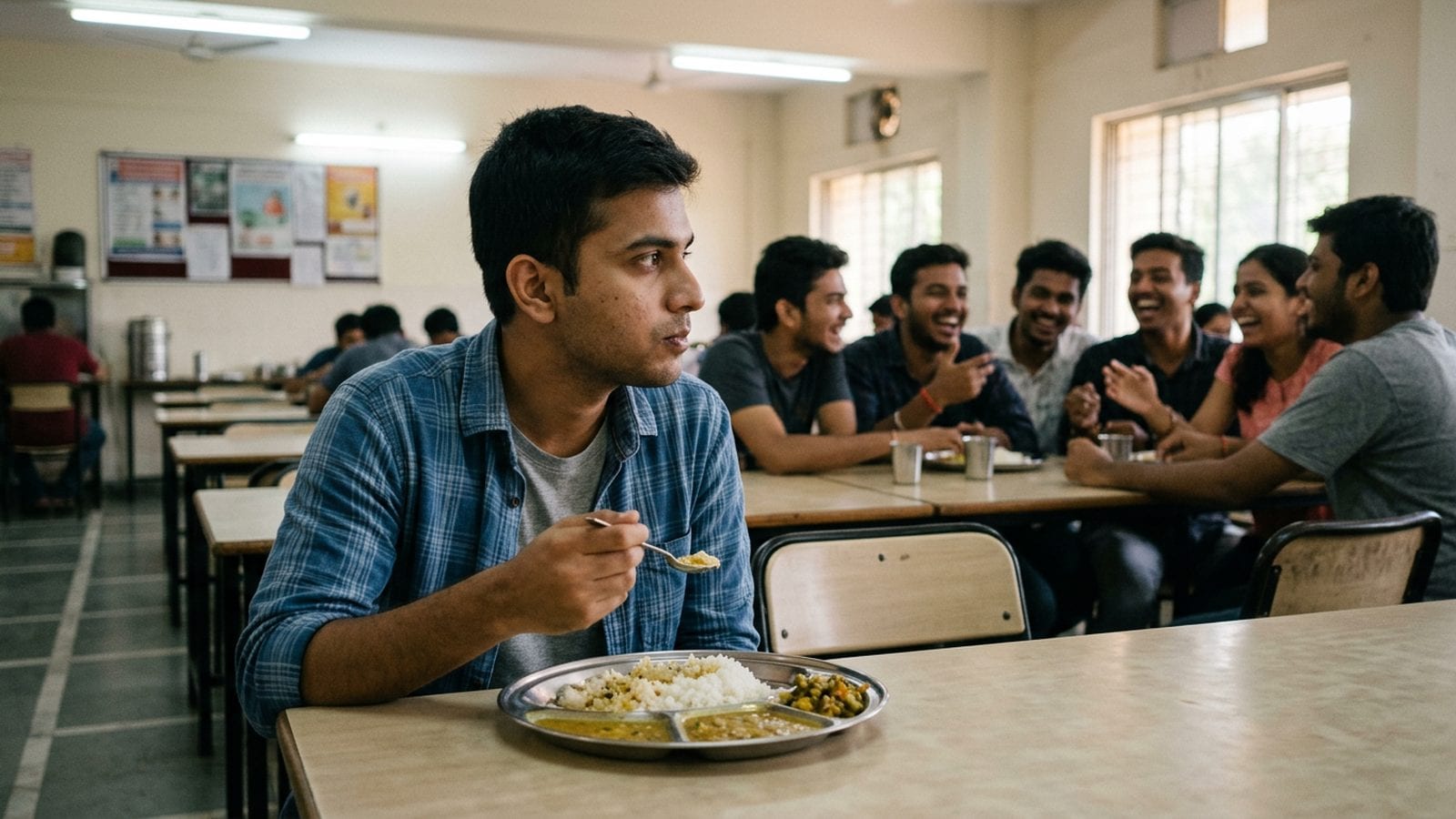
Why this happens to a lot of people, quietly
Friendships in school and college happen almost by accident, because you're in the same classroom or hostel every day for years. Once that structure disappears, after graduation, a job change, or moving cities, you have to build the same closeness on purpose, and most of us were never taught how. The WHO Commission on Social Connection's global report found that roughly 1 in 6 people worldwide experience loneliness, so if you feel like you're the only one without a friend group, you're not.
This is different from the common complaint of feeling disconnected despite having people around, covered in why do I feel alone even though I have friends? Here, the honest starting point is that you don't have close friends yet, and the goal is building from close to zero rather than fixing a relationship that already exists.
What actually helps, step by step
- Pick one regular, repeatable activity, not a one-off event. A weekly badminton game, a running club, a language class, a Sunday volunteering slot. The repetition matters more than the activity itself, because friendship builds through seeing the same people over time, not through a single good conversation.
- Go even when you don't feel like it, for at least four or five sessions. The first two times are usually awkward because nobody knows each other yet. A lot of people quit right before it would have started working.
- Be the one who says something small first. "Want to grab chai after this?" or "I'm new here, do you usually get food nearby?" are low-stakes enough that a no doesn't cost you much, and a yes gives you a second data point with the same person.
- Move acquaintances toward friends deliberately. If you've clicked with someone from the group, message them one-on-one outside it. Group friendliness and an actual friendship are different, and the second needs its own invitation.
- Keep the bar realistic for the first few months. You're not looking for a best friend immediately. One person you can text when something funny happens, or grab food with without planning three weeks ahead, is a real win at this stage.
When to talk to someone
Talking to a cousin, an old school friend from a different city, or even a parent can help in the meantime, even if they can't be your local friend group. It keeps you from going completely without connection while you build something nearby.
If weeks have gone by, you've tried an activity or two, and you still feel invisible, like your presence or absence wouldn't register to anyone, that's worth taking seriously rather than pushing through alone. If it ever feels severe, constant, or comes with thoughts of self-harm, please reach out to a mental health professional or a helpline like Tele-MANAS (14416) as well. If right now there's genuinely no one you can call, a listener on the Clarity app is a real person available over chat or call, privately, who can just talk with you the way a friend would while you work on building that in your actual life. If the loneliness has been sitting heavy for a long time, or you notice it affecting your sleep, appetite or motivation to leave the house, a Clarity counsellor can help with that underlying weight. For the practical side of showing up when you're not sure how, I have no one to talk to right now, what do I do? and the loneliness topic page have more.
Having no close friends right now is a situation, not a permanent trait. Give one repeated activity a real chance before deciding it won't work.